
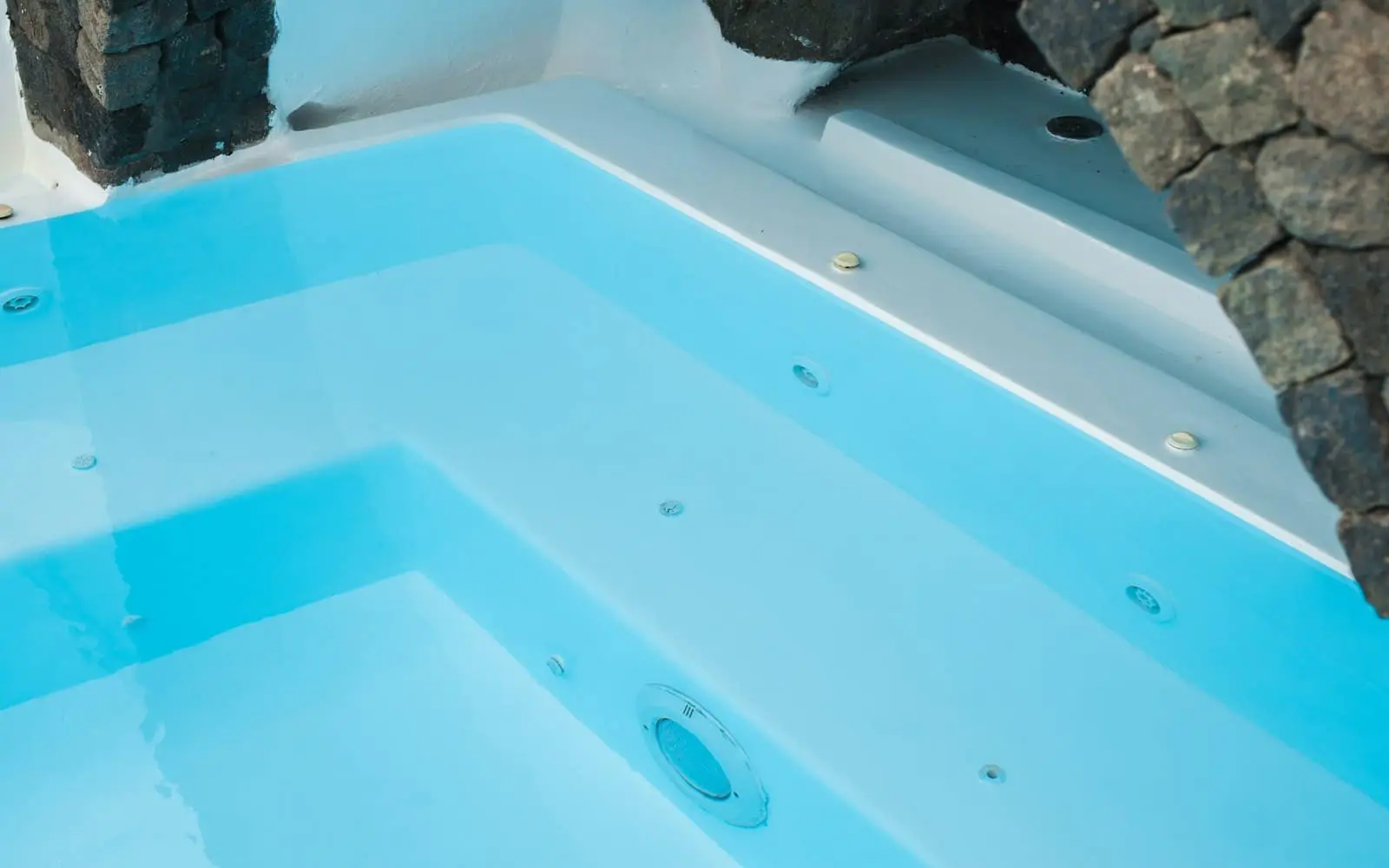
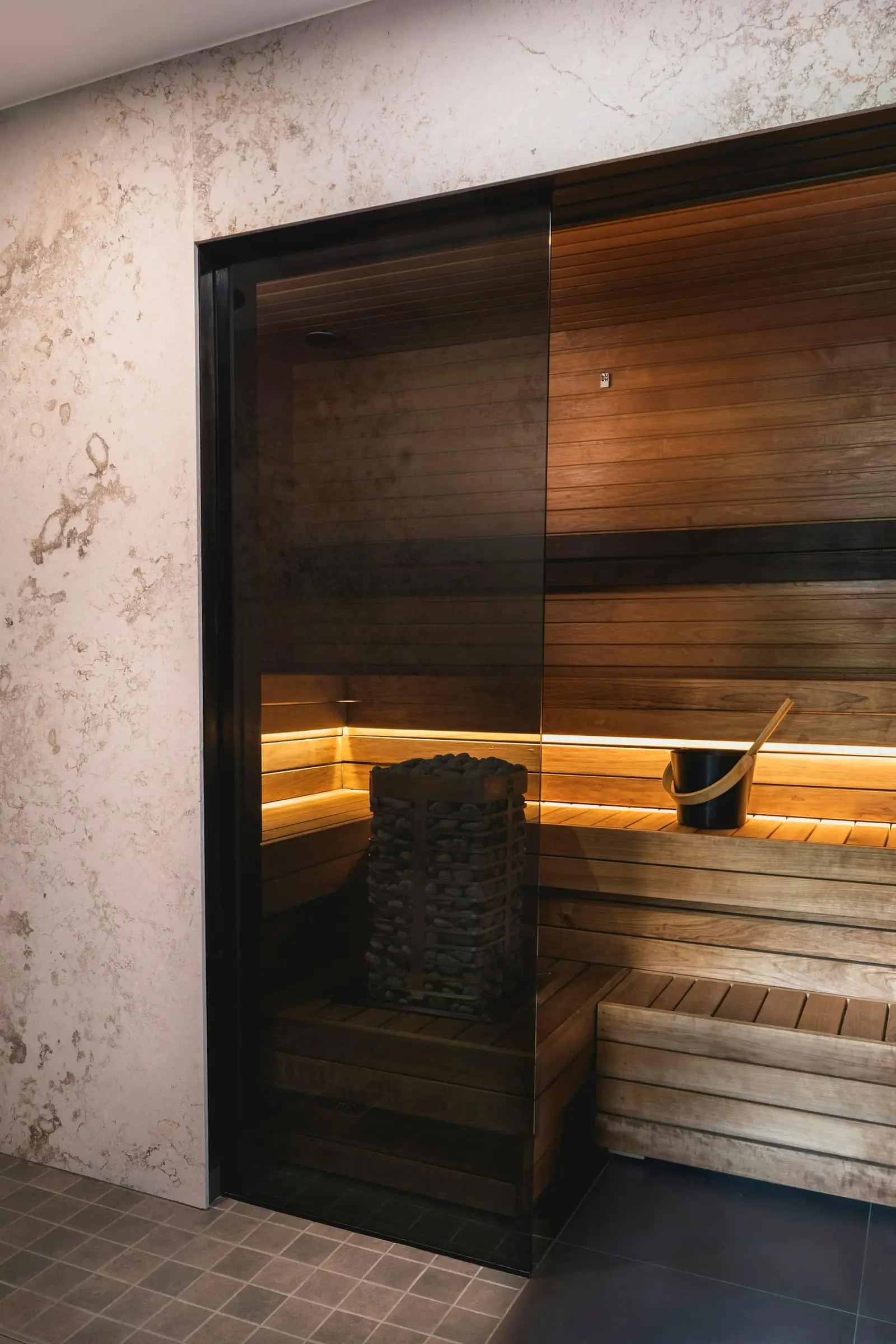
Both are hot, and both often end up in the backyard. That is where the similarity ends.
One heats air around you. The other heats 200 gallons of water you have to keep clean. This article compares them on what you live with after the purchase. For cabins see the home sauna buying guide, and for spas the hot tub buying guide.
Short answer: choose a sauna if you want high dry heat, short sessions, and almost no upkeep. Choose a hot tub if you want to soak with other people and you are willing to test and treat water every week.
Temperature: not close
The CDC sets the ceiling for hot tubs: “Water temperature should not be higher than 104°F (40°C).” The inflatable tubs in our catalog top out at the same 104°F.
Sauna air runs far hotter. According to thisisFINLAND, the Finnish Sauna Society recommends 80 to 100°C, which is 176 to 212°F.
Water moves heat into your body much faster than air does, which is why 104°F water and 190°F air are both usable. That sentence is general physics, not a quote from either source.
The upkeep gap
Here’s what the brochure photos won’t tell you. A hot tub is a small pool, and the CDC lists what its water needs:
- Chlorine: at least 3 parts per million
- Bromine: 4 to 8 ppm
- pH: 7.0 to 7.8
Someone in your house has to test for that and correct it. A sauna has no standing water. You wipe the benches and sweep the floor.
You get social soaking and jets with a hot tub. You give up a few minutes every week to testing and treating water. That trade decides it for many buyers.
Electrical needs
Neither is automatically plug-and-play. Check the spec sheet.
| Model | Type | Power | Price |
|---|---|---|---|
| Dynamic Andora | Infrared sauna | 120V/15A household outlet | $2,210.99 |
| Almost Heaven Salem | Barrel sauna, 6kW heater | 240V, 30-amp dedicated circuit | $4,176 |
| Bestway SaluSpa Hot Springs | Inflatable hot tub, 177 gallons | Not stated in our data | $455 |
| AquaRest Premium 300 | 2-person spa, 160 gallons | 120V/15A, convertible to 240V | $3,199 |
| Hot Spring Azure | Hot tub, 235 gallons | 115V, convertible to 230V | $7,499 |
The pattern: infrared saunas and plug-and-play spas use a normal outlet. Traditional sauna heaters and converted spas need a 240V circuit and an electrician.
Weight and where it can go
Water is heavy. At about 8.34 pounds per gallon, the 235 gallons in the Azure weigh roughly 1,960 pounds before the shell and the people. That is my arithmetic from the stated capacity.
A sauna cabin weighs far less per square foot, so it has more placement options. Either way, confirm what your deck or floor can carry before you order.
Who should be careful
For hot tubs, the CDC says: “Don’t let children less than 5 years old use hot tubs,” and “If you are pregnant, talk to a healthcare provider before using a hot tub.”
For saunas, Cleveland Clinic says to check with a provider first if you are pregnant or have a heart or blood pressure condition, and to avoid the sauna after alcohol.
This is general information, not medical advice.
Using both
If you have both, the CDC’s first rule covers the tub: “Shower before you get in the water.” That matters more after a sauna, because you are covered in sweat.
Keep each session short and drink water between them.
How to choose
My rule of thumb: count the people and count the chores.
Mostly solo or two people, 15-minute sessions, and no appetite for water chemistry: sauna. Family and friends, long soaks, and someone willing to own the test kit: hot tub.
Bottom line: the sauna is hotter and nearly maintenance-free. The hot tub is more social and needs weekly care. Decide on upkeep first, then price.
Sources
- CDC, “What You Can Do to Stay Healthy in Hot Tubs,” May 20, 2025: cdc.gov
- thisisFINLAND, “Bare facts of the sauna in Finland,” accessed October 12, 2026: finland.fi
- Cleveland Clinic, “Get Your Sweat On: The Benefits of a Sauna,” August 12, 2024: health.clevelandclinic.org
- Dynamic Saunas, Almost Heaven, Bestway, AquaRest, and Hot Spring listings (power, capacity, price), checked September and October 2026