
People ask this expecting a name and a year. There isn’t one.
The sauna wasn’t invented the way the light bulb was. It grew out of how people in a cold country washed and kept warm. This article sticks to what reliable sources say and marks where they stop. For buying a modern one, see the home sauna buying guide.
Short answer: no single person invented the sauna. It is a Finnish tradition described as thousands of years old, and the earliest form was the smoke sauna. UNESCO added sauna culture in Finland to its heritage list in 2020.
Why there is no inventor
A 2018 review in Mayo Clinic Proceedings opens by calling sauna bathing “an activity that has been a tradition in Finland for thousands of years.”
A practice that old predates written records in the region. None of the sources used here gives a first date or a founder, so I won’t offer one. Treat any website that names an exact year with suspicion.
Finland’s claim, stated carefully
Finland’s official country guide, thisisFINLAND, is modest about it: “Saunas have existed in other cultures, but in Finland they have become entwined in the national culture.”
So Finland doesn’t claim to be the only place people sat in hot rooms. Its claim is that the tradition became part of everyday national life there.
The original: the smoke sauna
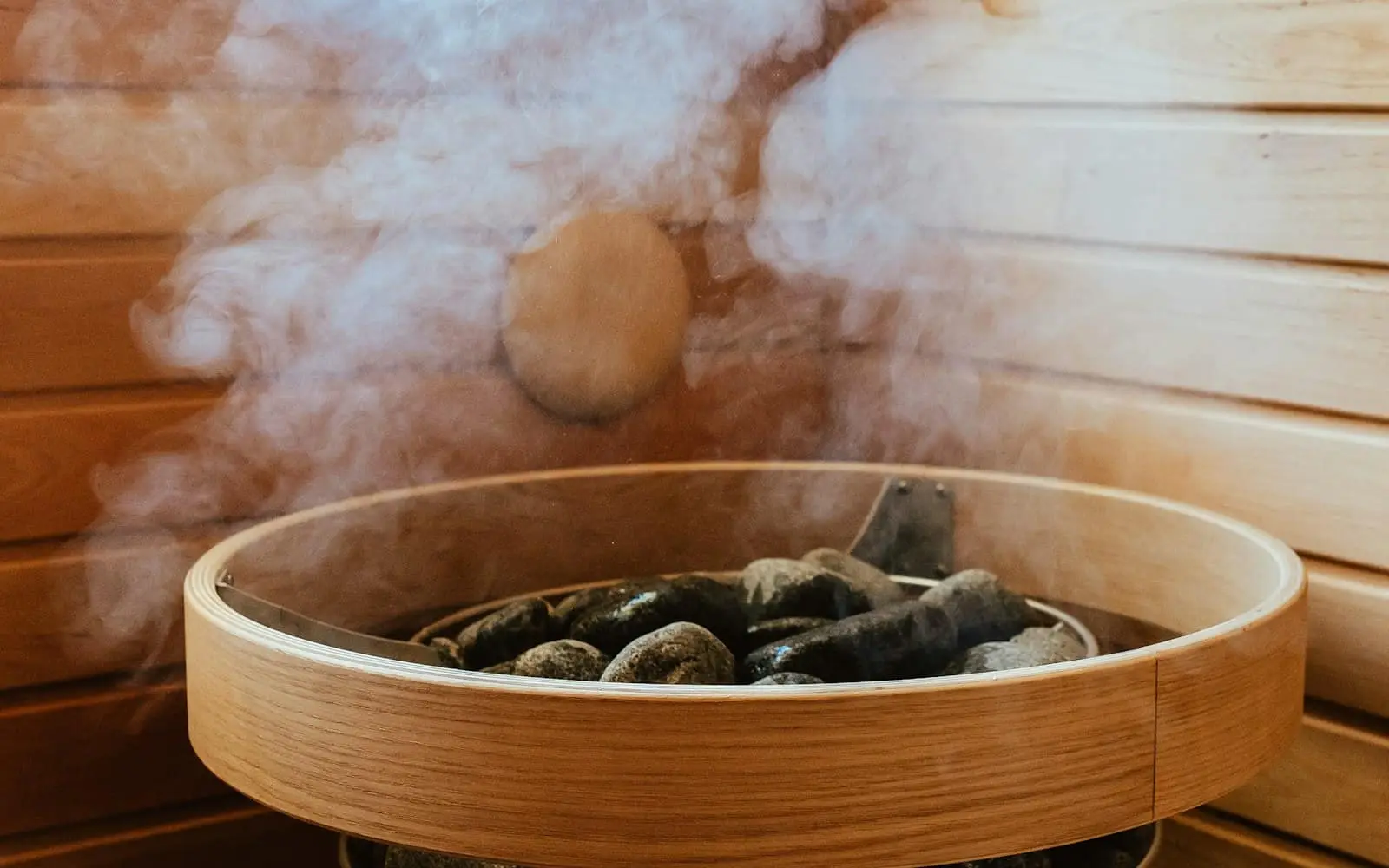
The first saunas had no chimney. thisisFINLAND describes “a smoke-sauna” as “the original sauna, and most Finnish people believe it to be the best kind.”
The method: burn wood in the stove until the fire dies down and most of the smoke escapes, “leaving the embers to heat the sauna to the proper temperature, yielding a soft heat and an aroma of wood smoke.”
Why it started: a place to wash
The sauna was practical before it was relaxing. thisisFINLAND again: “In days gone by, they were the most practical place to wash during the long winters when there was no hot running water.”
How common it is now
UNESCO inscribed “Sauna culture in Finland” on its Representative List of the Intangible Cultural Heritage of Humanity in 2020. Its description gives the scale: “With 3.3 million saunas in a country of 5.5 million inhabitants, the element is readily accessible to all.”
That is roughly 3 saunas for every 5 people, by my arithmetic.
UNESCO also notes that traditional public saunas in Finnish cities “almost disappeared after the 1950s,” and that new public saunas have been built in recent years.
From smoke to electric to infrared
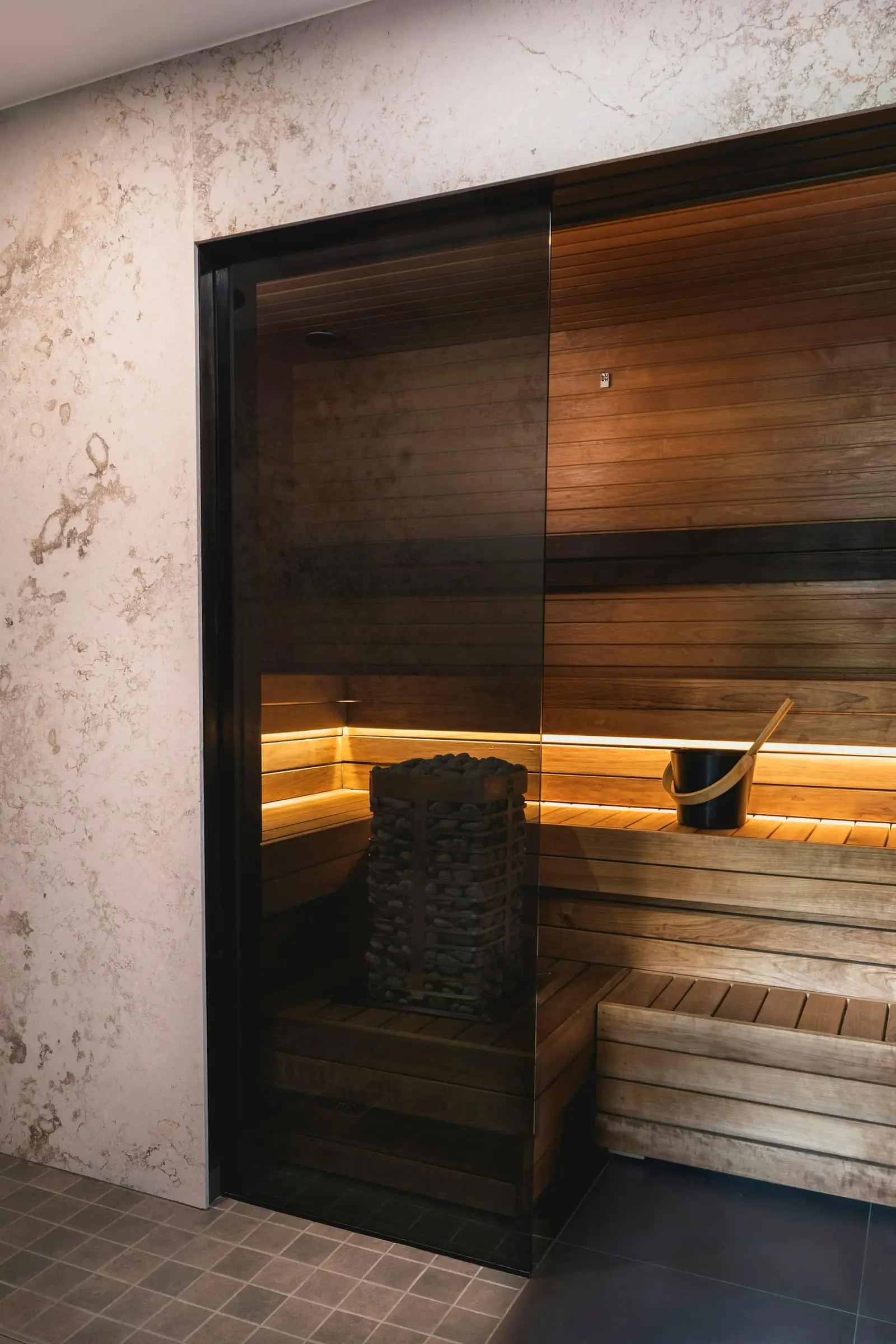
UNESCO’s description lists the forms the sauna takes today: electric, wood-heated, smoke, and infrared. It says there is no hierarchy among them.
You can see that range in what is sold for homes now.
| Type | Example | Heat source | Price |
|---|---|---|---|
| Wood-burning option | Almost Heaven Grandview | Electric or M3 wood-burning kit | $6,358 |
| Electric | Almost Heaven Salem | 6kW electric heater | $4,176 |
| Infrared | Dynamic Andora | 6 far infrared carbon panels | $2,210.99 |
The sources here don’t date the first electric heater or the first infrared cabin, so those milestones are left out.
The word löyly
One word survives from the old practice into every modern heater manual. Löyly is the steam that rises when water hits the hot stones. UNESCO’s description treats it as central to the experience.
If your sauna has stones and a ladle, you are doing the same thing people did in a smoke sauna.
Bottom line: nobody invented the sauna. It is a Finnish tradition thousands of years old that began as a smoke-heated place to wash and now comes in electric, wood, and infrared forms.
Sources
- UNESCO, “Sauna culture in Finland,” Representative List of the Intangible Cultural Heritage of Humanity, inscribed 2020: ich.unesco.org
- thisisFINLAND, “Bare facts of the sauna in Finland,” accessed October 12, 2026: finland.fi
- Laukkanen JA, Laukkanen T, Kunutsor SK, “Cardiovascular and Other Health Benefits of Sauna Bathing: A Review of the Evidence,” Mayo Clinic Proceedings, August 2018 (abstract): mayoclinicproceedings.org
- Almost Heaven and Dynamic Saunas listings (heater options, price), checked September and October 2026