
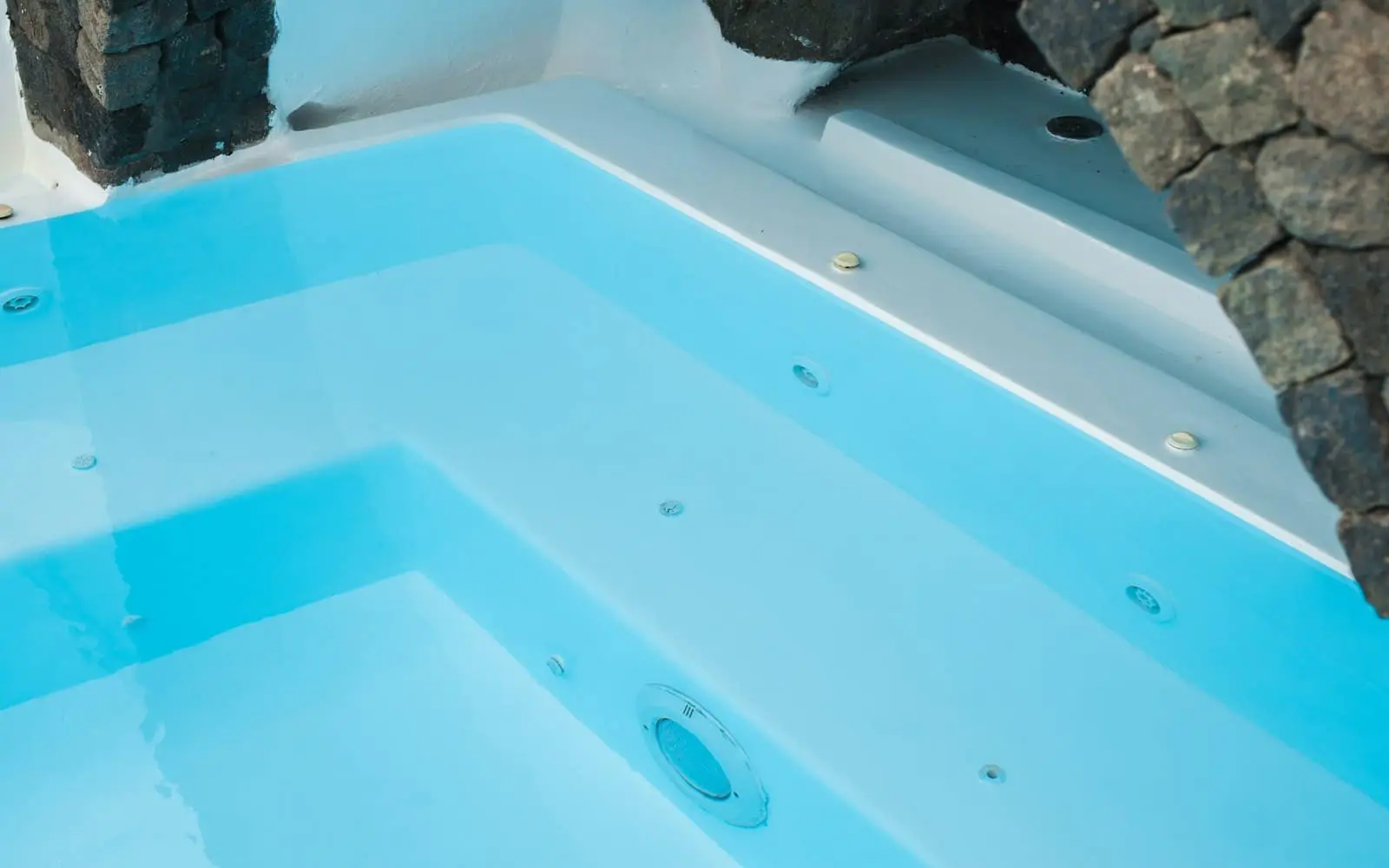
A hot tub looks small next to a pool. CPSC warns about the same two dangers in both for children: drowning and drain entrapment.
This article collects what the Consumer Product Safety Commission and Cleveland Clinic say about children. It sits under our overview of hot tub benefits. It is general information, not medical or legal advice.
Short answer: Cleveland Clinic says children under 5 shouldn’t use hot tubs, and older children should limit their time. CPSC says drowning is the main danger: lock the cover whenever the spa isn’t in use, keep young children away unless an adult is constantly watching, and make sure the drains and drain covers meet current standards.
Why age matters
Cleveland Clinic says “children younger than age 5 shouldn’t use hot tubs, and older children should limit their time.” Its reason: kids can overheat more easily. It also says never to leave children unsupervised, because drowning is a risk.
The numbers behind the warnings
CPSC’s 1996 warning gave these counts:
| Hazard | CPSC reports |
|---|---|
| Deaths in spas and hot tubs since 1980 | More than 700, about one-third of them drownings of children under 5 |
| Body entrapment since 1980 | 18 incidents in children aged 2 to 14, including 5 deaths |
| Hair entanglement since 1978 | 49 incidents, including 13 deaths |
Those figures are from 1996. CPSC posts newer drowning and entrapment reports on PoolSafely.gov.
Covers and supervision
CPSC’s 1996 advice:
- “Always use a locked safety cover when the spa is not in use.”
- Keep young children away from spas or hot tubs “unless there is constant adult supervision.”
Its 2025 pool season tips add: never leave a child unattended in or near water, name an adult “Water Watcher” who isn’t on a phone, use layers of protection such as door alarms, covers, and self-closing, self-latching gates, and learn CPR for children and adults.
Drains and entrapment
CPSC explains the two drain hazards. Hair entanglement happens when hair is drawn into a drain cover with the water. Body entrapment happens when the drain’s suction holds part of a person’s body underwater.
What CPSC says to do:
- Make sure the spa has the dual drains and drain covers required by current safety standards.
- Check the drain covers yourself throughout the year, and have a professional check the spa regularly.
- Keep children away from drains, pipes, and other openings.
- If you don’t know whether a drain cover complies, ask your pool service provider.
Heat and kids
CPSC’s 1979 warning says hot tub water should never exceed 104°F and that thermostats can be off by up to 4°F, so check the water with an accurate thermometer. Cleveland Clinic says older children should limit their time.
Bottom line: keep children under 5 out, keep the cover locked, and keep an adult watching whenever kids are near the water. Check the drains before the first soak. For the wider health picture, see the hot tub benefits overview linked above, and the hot tub buying guide for choosing a spa.
Sources
- Cleveland Clinic, “Soak It In: How Hot Tubs Can Boost Your Health,” November 17, 2025: health.clevelandclinic.org
- U.S. Consumer Product Safety Commission, “CPSC Issues Warning for Pools, Spas and Hot Tubs,” release 96-139, June 3, 1996: cpsc.gov
- U.S. Consumer Product Safety Commission, “CPSC Provides Important Safety Tips This Pool Season as Americans Dive into Summer,” June 5, 2025: poolsafely.gov
- U.S. Consumer Product Safety Commission, “CPSC Warns Of Hot Tub Temperatures,” release 79-071, December 31, 1979: cpsc.gov