
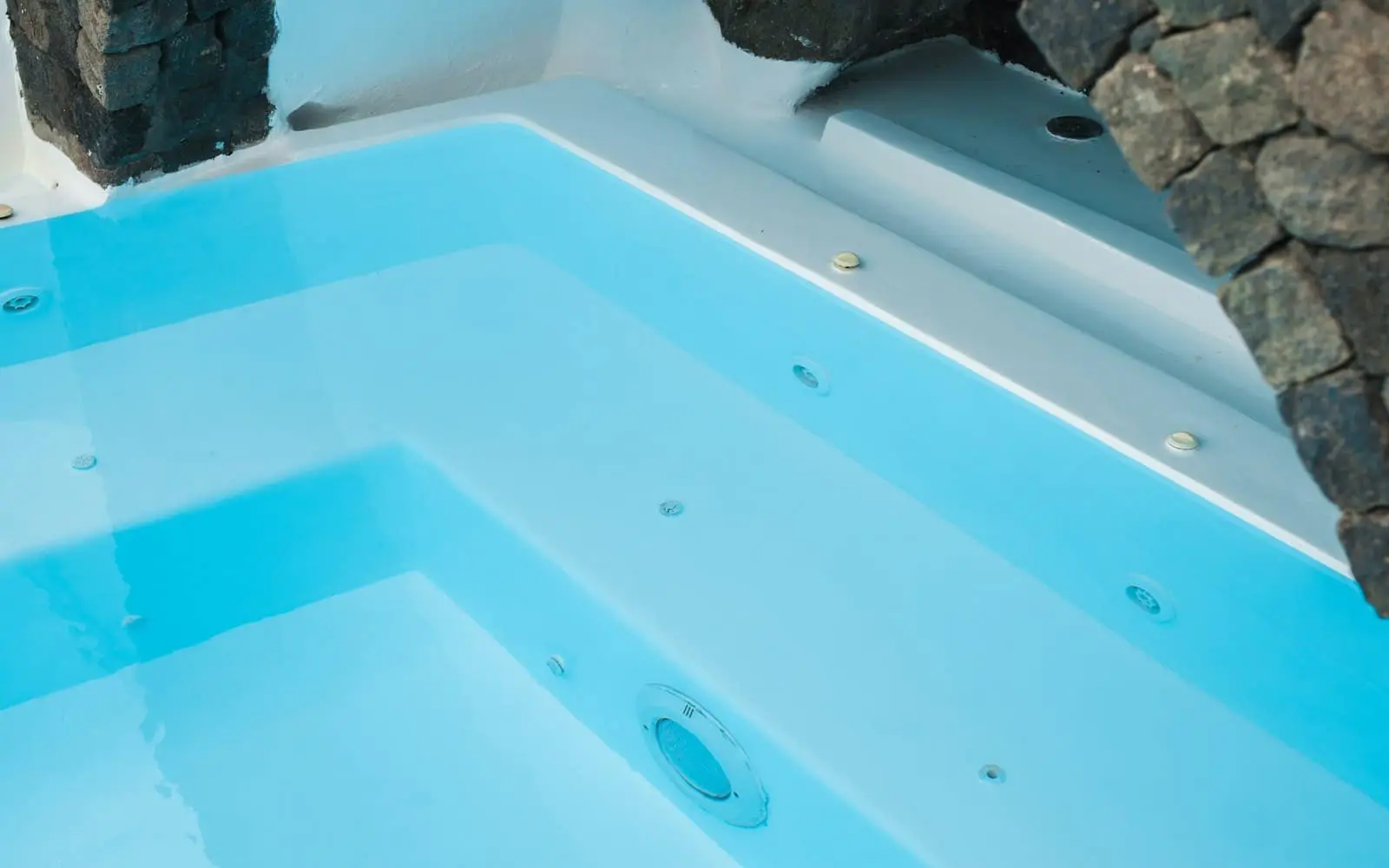
Hot tub ads sell relaxation, and then they keep going: better sleep, a healthier heart, lower blood pressure, faster recovery. Some of that has research behind it. Most of the research was done in baths, not backyard spas.
This page sorts the claims by how much evidence sits under each one, using Cleveland Clinic’s 2025 guidance, a meta-analysis on sleep, a Japanese cohort of 30,076 adults, and a small lab trial. It is general information, not medical advice. If you are choosing a spa, the hot tub buying guide covers that side.
Short answer: the best-supported effects are short-term: warm water relaxes you, eases mild muscle aches, and lowers blood pressure while you soak. A warm soak 1 to 2 hours before bed was linked to falling asleep faster. Heart-health claims rest on one large observational study of Japanese baths and one 20-person trial. Pregnancy, young children, and heart, blood pressure, and seizure conditions all need extra care.
How strong is each claim?
| Claim | Main evidence | Strength |
|---|---|---|
| Less stress | Cleveland Clinic: “some studies” | Low: no trial named |
| Eases muscle aches | Cleveland Clinic | Low: expert guidance, no trial named |
| Lower blood pressure while soaking | Cleveland Clinic | Short-lived by design |
| Falling asleep faster | 2019 meta-analysis of 13 studies | Moderate, small studies |
| Fewer heart attacks and strokes | 2020 cohort of 30,076 Japanese adults | Association only |
| Better blood vessel function | 2016 trial, 20 people, 8 weeks | Small, lab conditions |
The strength column is my reading of the sources, not a formal grade.
Stress and sore muscles
Cleveland Clinic says some studies have shown that soaking in hot water “could relieve stress and decrease depression symptoms,” and calls it no cure for stress or mental health conditions.
On muscles, it says heat increases blood flow and may loosen tense muscles, while buoyancy takes pressure off joints. Its expert, Melissa Young, MD, calls hot water therapy “an alternative to over-the-counter pain relievers for mild to moderate muscle pain.”
Blood pressure
Warm water widens blood vessels and lowers blood pressure, Cleveland Clinic says, but the effect is temporary: pressure returns to normal a few minutes after you get out. The same page warns that soaks over 15 minutes may cause a drop in blood pressure, dizziness, or fainting.
Sleep
A 2019 meta-analysis in Sleep Medicine Reviews pooled studies of warm showers and baths at 40 to 42.5°C (104 to 108.5°F). Soaking 1 to 2 hours before bed, for as little as 10 minutes, was linked to falling asleep faster, and to better self-rated sleep quality. The authors call the research base scarce.
Note the temperature: the top of that range is hotter than the 104°F that the Consumer Product Safety Commission says hot tub water should never exceed.
The heart
A 2020 study in Heart followed 30,076 Japanese adults aged 40 to 59 for up to 19 years. Those who bathed almost every day had a 28% lower risk of cardiovascular disease than those who bathed 0 to 2 times a week, after adjusting for other risk factors.
Here’s what the ad won’t tell you. That was traditional Japanese tub bathing, and the study shows an association, not cause. It found no link with sudden cardiac death.
A 2016 trial in the Journal of Physiology put 10 sedentary young adults in a 40.5°C bath, 4 to 5 times a week for 8 weeks, long enough to hold core temperature at 38.5°C or more for 60 minutes. Compared with 10 people in neutral water, their arteries dilated better and their blood pressure fell. That is a supervised lab protocol, far longer than Cleveland Clinic’s 15-minute guidance, and not something to copy at home.
Cleveland Clinic’s summary: a hot tub “doesn’t replace the need for a heart-healthy diet and regular exercise.”
Who should check with a doctor first
Cleveland Clinic says:
- Pregnancy: raising body temperature could harm the fetus, especially in the first trimester. Avoid hot tubs.
- Heart conditions: heat can stress the heart. Check with a provider first.
- Blood pressure: talk to your provider if you’re treated for high blood pressure. Normal or low pressure can also mean lightheadedness and fainting.
- Seizure disorders: hot water can trigger seizures, which is especially risky if you’re alone in the tub.
- Children: under 5 shouldn’t use hot tubs, and older children should limit their time.
- Alcohol: hot tubs and alcohol “don’t mix at all.”
It also says to keep the water below 104°F, drink water, get out if you feel too hot, dizzy, or develop a headache, and use only hot tubs that are regularly cleaned and maintained.
What to buy, if anything
None of these benefits need a premium spa. An inflatable like the SaluSpa Hot Springs AirJet heats to 104°F, the CPSC ceiling. What a pricier spa adds is seats, jets, insulation, and a longer life, not more health.
Bottom line: a hot tub reliably relaxes you and may help you fall asleep. The heart and blood vessel findings are interesting but come from baths and small studies. Buy one because you’ll enjoy it, not as treatment. To choose a model, see the hot tub buying guide linked above.
Sources
- Cleveland Clinic, “Soak It In: How Hot Tubs Can Boost Your Health,” November 17, 2025: health.clevelandclinic.org
- Haghayegh S, et al., “Before-bedtime passive body heating by warm shower or bath to improve sleep: A systematic review and meta-analysis,” Sleep Medicine Reviews, 2019 (abstract): pubmed.ncbi.nlm.nih.gov
- Ukai T, et al., “Habitual tub bathing and risks of incident coronary heart disease and stroke,” Heart, 2020 (abstract): pubmed.ncbi.nlm.nih.gov
- Brunt VE, et al., “Passive heat therapy improves endothelial function, arterial stiffness and blood pressure in sedentary humans,” Journal of Physiology, 2016 (abstract): pubmed.ncbi.nlm.nih.gov
- U.S. Consumer Product Safety Commission, “CPSC Warns Of Hot Tub Temperatures,” release 79-071, December 31, 1979: cpsc.gov
- SaluSpa Hot Springs AirJet listing, as recorded in our product data, updated September 12, 2026