
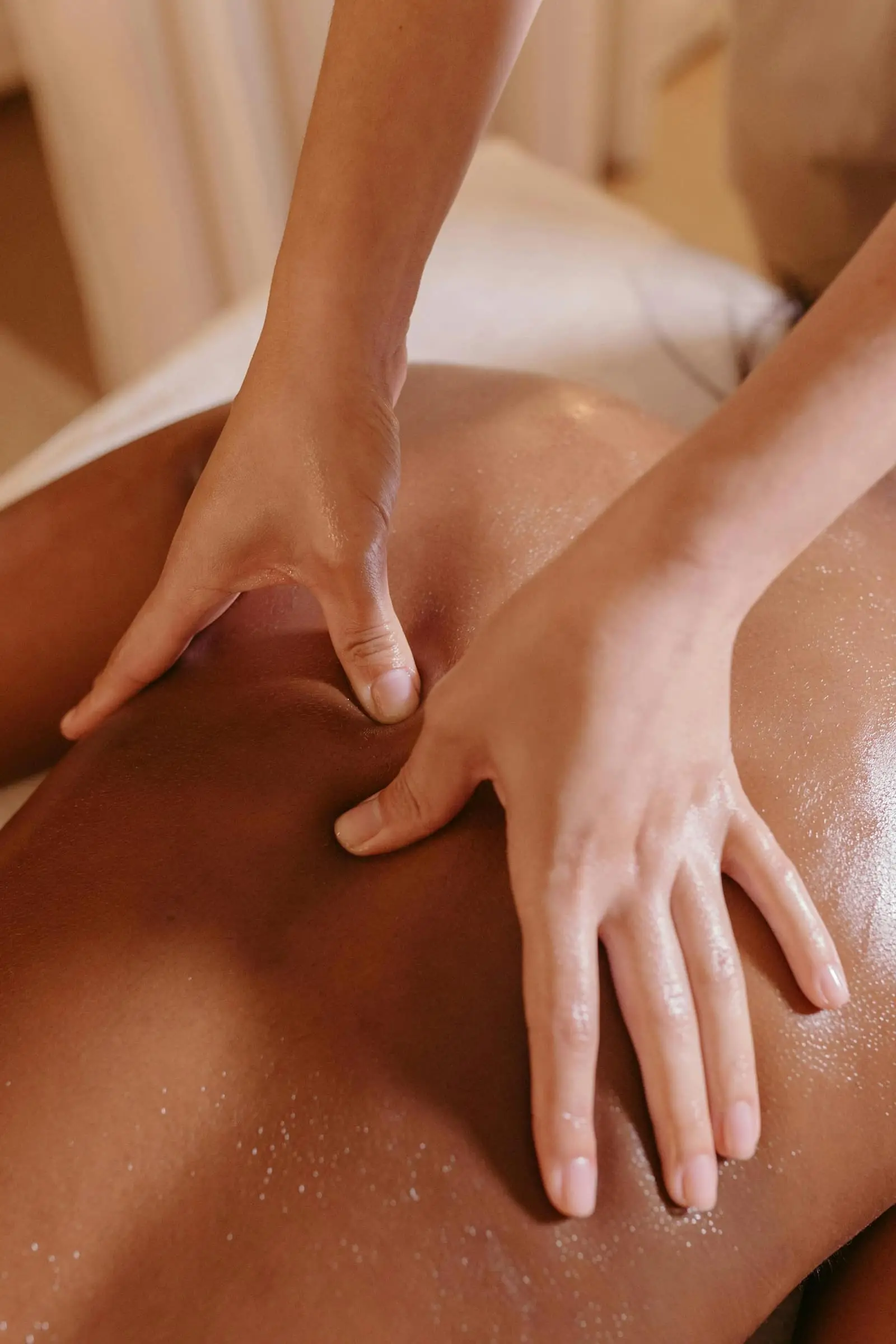
Recovery equipment covers three very different tools: foam rollers, percussion massagers (massage guns), and compression boots. Prices run from $39.99 to $999.99, and the evidence behind each is modest. The right pick depends on what you want to work on and how much you’ll use it.
This guide covers those decisions in order. Each section has its own deeper article.
Short answer: start with a foam roller. Add a massage gun for targeted spots, or compression boots if you train for endurance and want passive leg recovery.
The three tools
| Tool | Example | Price (per listing) | What it does |
|---|---|---|---|
| Foam roller | TriggerPoint GRID 1.0 | $39.99 | You roll your body weight over it |
| Vibrating roller | Hyperice Vyper 3 | $209 | Same, with 3 vibration speeds |
| Massage gun | Theragun Mini (3rd Gen) | $179.99 | Percussion on one muscle at a time |
| Massage gun | Theragun PRO (5th Gen) | $529.99 | Same, with 6 heads and guided routines |
| Calf compression | Normatec Go | $379 | Inflating sleeves on the calves |
| Leg compression | FIT KING Recovery Power Pro | $449.99 | Inflating boots, foot to thigh |
| Leg compression | Therabody JetBoots PRO Plus | $999.99 | Compression plus infrared LED and vibration |
Prices from manufacturer listings, checked September 2026.
What the evidence says
Here’s what the spec sheet won’t tell you: none of these tools has strong evidence behind it.
- Foam rolling. A 2019 meta-analysis of 21 studies (Wiewelhove et al.) found the effects “rather minor and partly negligible.” Rolling before training improved flexibility by about 4%; rolling after reduced perceived muscle pain by about 6%.
- Massage guns. Cleveland Clinic says they haven’t been proven to improve speed, power, or endurance, but may improve range of motion and perceived fatigue.
- Compression boots. Cleveland Clinic says inflatable leg devices are mostly used by athletes, and some research supports the recovery effects.
If a tool makes you feel better and move more freely, that’s a fair reason to use it. Just don’t expect it to replace sleep, training, and food.
Foam rollers
A standard roller is cheap and lasts. The GRID 1.0 is 13 by 5.5 inches with a hollow core. A vibrating roller like the Vyper 3 adds a motor, a 2-hour battery, and $169.
Massage guns
Compare weight, battery, noise, and heads. The Theragun Mini weighs 0.88 lbs; the Theragun PRO weighs 2.2 lbs with 6 heads. Hyperice lists the Hypervolt 3 Pro at 51 dB, about the level of moderate rainfall on the American Academy of Audiology’s noise chart. Cleveland Clinic advises staying on muscle, not bone, and keeping to a couple of minutes per muscle group.
Compression boots
Check three things:
- Coverage. Calf sleeves (Normatec Go) or full-leg boots (Normatec 3, FIT KING, JetBoots).
- Pressure range. Normatec 3: 40–110 mmHg. FIT KING: 40–150 mmHg. JetBoots PRO Plus: 20–100 mmHg.
- Design. Self-contained wireless boots (JetBoots Prime and PRO Plus) or boots with a separate control unit (Normatec 3, 3.2 lbs).
Cleveland Clinic says people with deep vein thrombosis should speak with their healthcare provider before starting compression therapy. Read your device’s list of conditions it shouldn’t be used with.
Travel
TSA allows devices with lithium batteries of 100 watt-hours or less in carry-on bags. The Theragun Mini (0.88 lbs) and Normatec Go (1.2 lbs) are the lightest options here. With no battery at all, a TriggerPoint MB5 ball or a pair of lacrosse balls packs in any bag.
How to shortlist
- Pick the tool for the job: whole-body rolling, targeted spots, or passive leg recovery.
- Set a budget; a $39.99 roller covers the basics.
- Compare weight, battery, and noise for massage guns.
- Compare coverage, pressure, and design for boots.
- Check health cautions before buying compression.
To compare compression boots and a massage gun side by side, see our recovery equipment comparison. For heat and cold, read the home sauna buying guide and the cold plunge buying guide.
Bottom line: buy the cheapest tool that does the job you’ll use it for. Most people need a roller first.
Sources
- Wiewelhove T. et al., “A Meta-Analysis of the Effects of Foam Rolling on Performance and Recovery,” Frontiers in Physiology, April 9, 2019: frontiersin.org
- Cleveland Clinic, article on massage guns and percussive therapy, February 14, 2023: health.clevelandclinic.org
- Cleveland Clinic, “Compression Therapy,” updated July 11, 2022: my.clevelandclinic.org
- Transportation Security Administration, “Lithium batteries with 100 watt hours or less in a device,” accessed October 8, 2026: tsa.gov
- American Academy of Audiology, “Levels of Noise in Decibels (dB),” September 2023: audiology.org
- Specs and prices: TriggerPoint, Hyperice, Therabody, and FIT KING listings, checked September 2026