
Every home sauna does the same basic job: it heats you up until you sweat. The difference between the two main types is how they do it, and that one difference shapes everything else, from the wiring you need to how long you’ll want to stay in.
This article covers how infrared and traditional heat compare in feel, setup, and running cost. If you’re still at the “do I even want a sauna” stage, the home sauna buying guide walks through every decision in order.
Short answer: traditional saunas are hotter, steamier, and need 240V wiring. Infrared saunas run cooler, cost less per session, and often plug into a 120V circuit. Pick the experience first, then check your electrical panel.
How each one makes heat
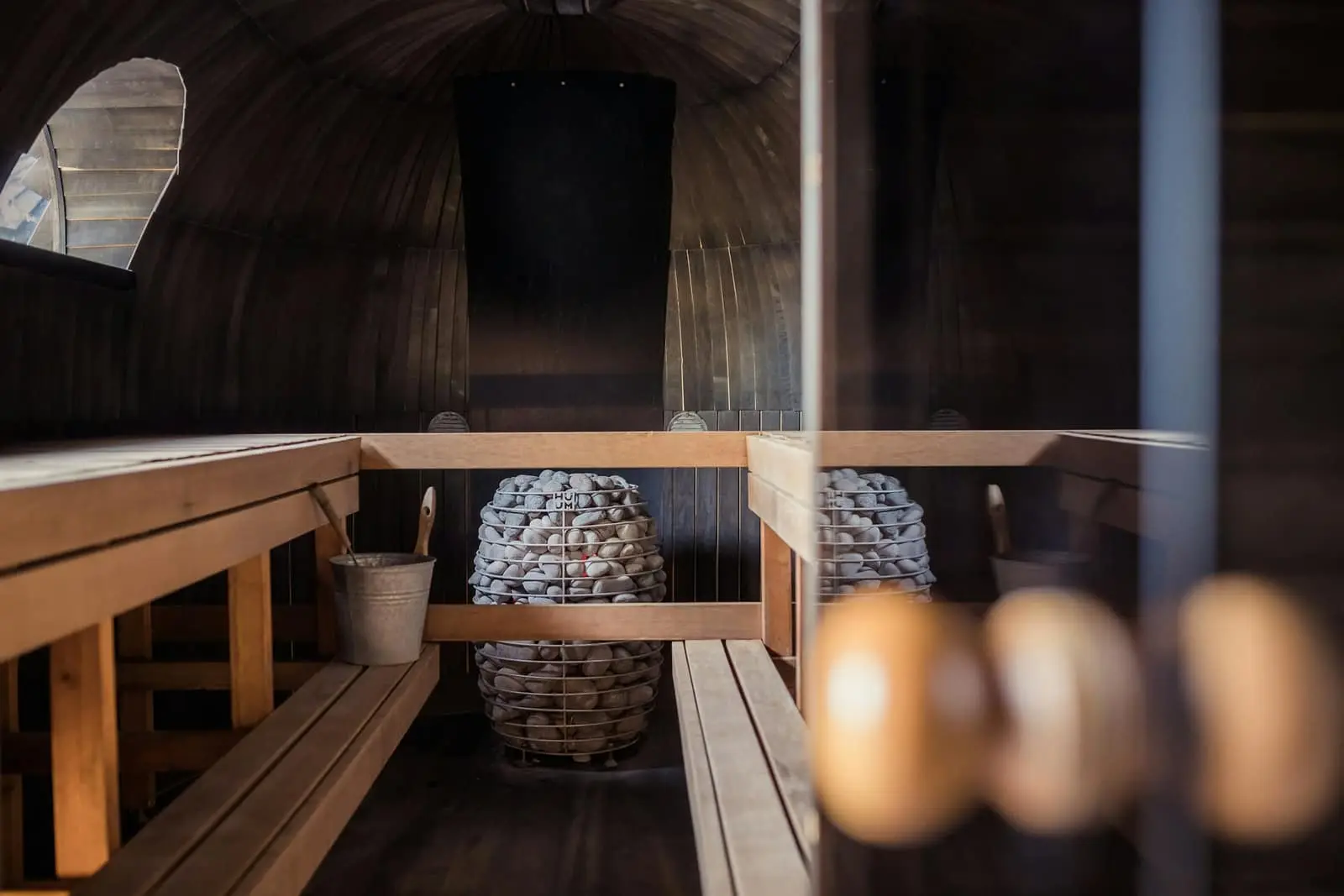
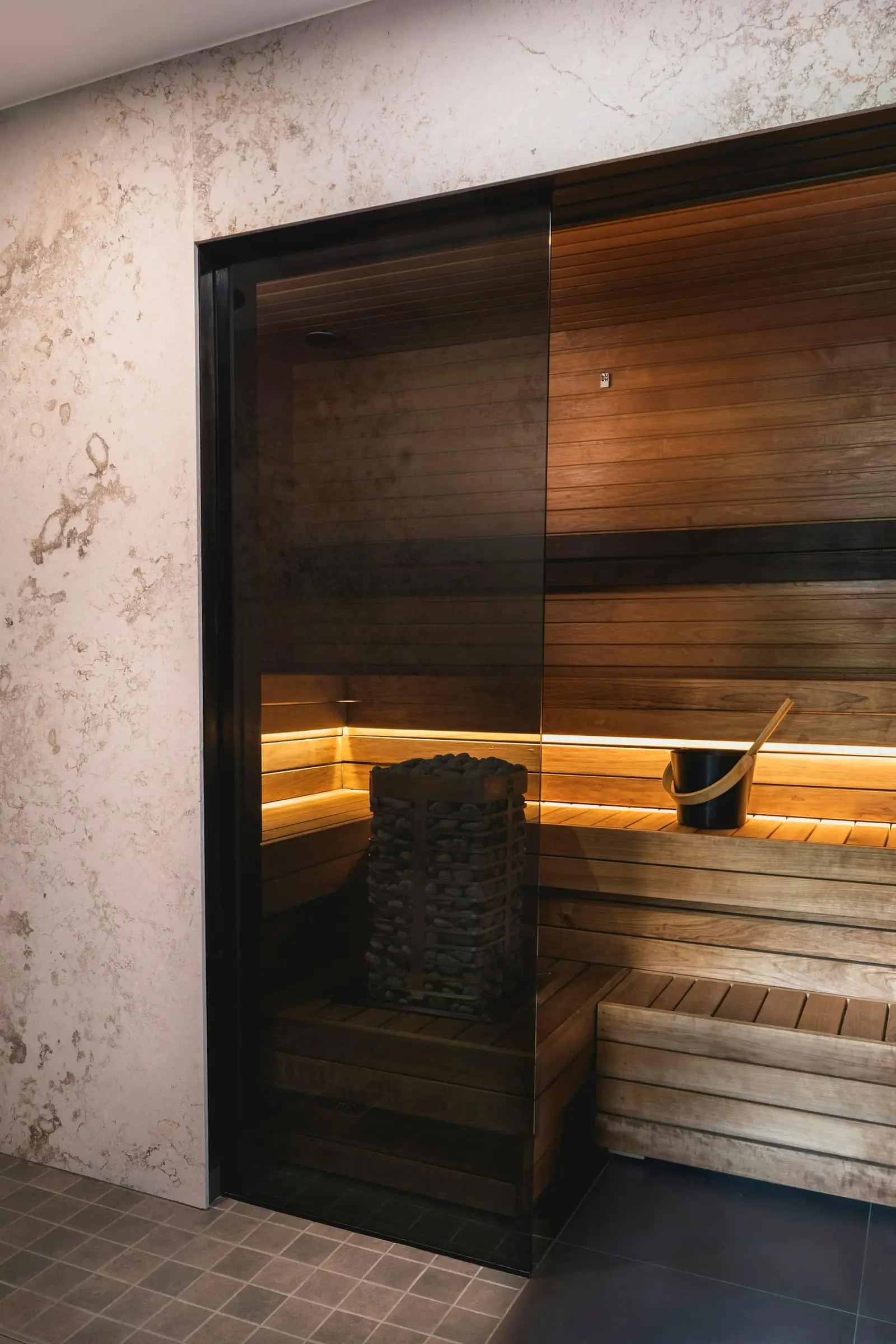
A traditional sauna heats the air. An electric (or wood-burning) stove warms a basket of rocks, the rocks warm the room, and you can ladle water onto them for a burst of steam. Typical temperatures run from 150°F to 195°F (Cleveland Clinic).
An infrared sauna warms you more directly. Panels on the walls emit infrared light that your skin absorbs, so the air stays cooler, usually 110°F to 135°F (Cleveland Clinic). There are no rocks and no steam.
How the heat feels
You get intensity with traditional heat: the air is hot, the steam makes it feel hotter, and most people stay in for shorter rounds. Cleveland Clinic suggests working up to about 15–20 minutes.
You get a gentler, drier heat with infrared. It’s easier for people who find a hot room uncomfortable to breathe in. Cleveland Clinic’s guidance is still to keep infrared sessions under 30 minutes and to start with 5–10 minutes.
Wiring: the part that decides for you
Here’s what the spec sheet won’t tell you upfront: your electrical panel may make this choice.
| Traditional | Infrared | |
|---|---|---|
| Typical temperature | 150–195°F | 110–135°F |
| Steam | Yes | No |
| Typical circuit | 240V dedicated, hardwired | 120V, often a dedicated 15–20A outlet |
| Example | Almost Heaven Sutton: 240V/30A for its heater | Sunlighten Signature II: 120V/20A dedicated |
| Max energy per hour (example) | 6kWh (6kW heater) | about 1.75kWh (FD-4 infrared array) |
| Max cost per hour at 18.34¢/kWh | about $1.10 | about $0.32 |
Those energy figures assume the heater runs flat out the whole hour. In practice heaters cycle on and off once the cabin is up to temperature, so real costs come in lower.
Hybrids: both in one cabin
If you can’t decide, hybrids exist. The Finnmark FD-4 Trinity pairs a 1,750W infrared array with a 1.9kW Harvia traditional stove and runs on a standard 120V outlet. The larger FD-5 Trinity XL uses a 4.5kW Harvia heater and needs 240V. You pay more than a single-heat cabin, and you get to choose the session each day.
Which one fits you
You get the classic Finnish experience with traditional heat: higher temperatures, steam, and a cabin that heats up fast. You give up simplicity, since it needs 240V and an electrician.
You get lower running costs and easier installation with infrared. You give up steam and that intense heat.
My rule of thumb: if steam is part of why you want a sauna, go traditional. If you want the easiest install and lowest running cost, go infrared. For model-level detail, see the infrared sauna buying guide or the traditional sauna buying guide.
Bottom line: decide whether you want steam, then check whether your panel can take a 240V circuit. Those two answers usually pick the heat type for you.
Sources
- Cleveland Clinic, “Why Infrared Saunas Are ‘Cooler’ Than Traditional Saunas,” April 14, 2022: health.clevelandclinic.org
- Cleveland Clinic, “Get Your Sweat On: The Benefits of a Sauna,” August 12, 2024: health.clevelandclinic.org
- U.S. Energy Information Administration, Electric Power Monthly, Table 5.6.A (residential average 18.34¢/kWh, June 2026 data), via energyfactbook.com, accessed October 1, 2026
- Product specifications: Almost Heaven, Sunlighten, and Finnmark listings via Select Saunas and Amazon, checked October 1, 2026