
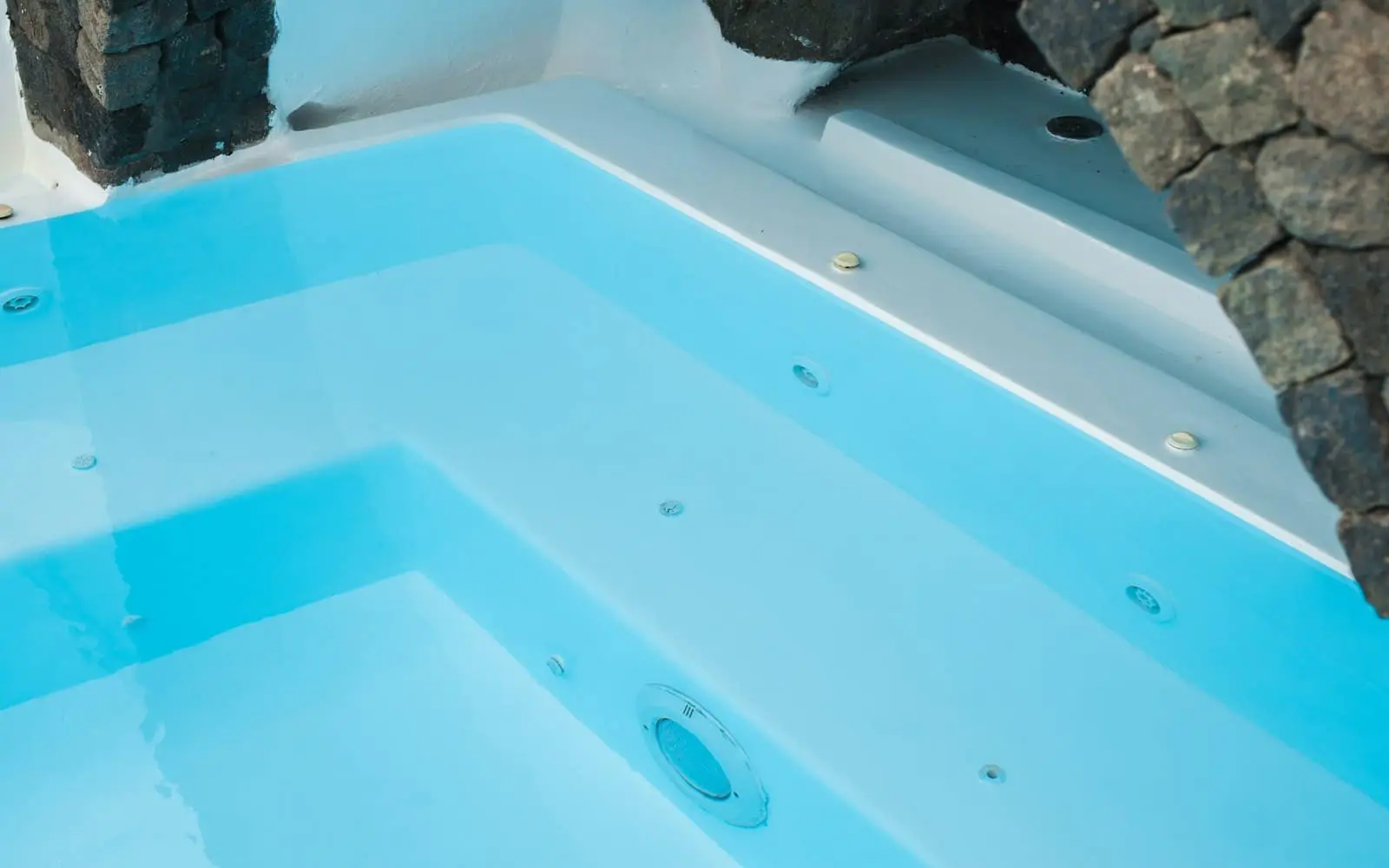

A sauna costs thousands of dollars and needs a place to live. A bathtub is already in your house.
Researchers have a name for sitting in hot water on purpose: passive heating, or hot-water immersion. They have been testing whether it does what a sauna does. This article reports what they found. It sits under our overview of sauna health benefits. This is general information, not medical advice.
Short answer: a hot bath triggers some of the same short-term responses as a sauna: a faster heart rate, lower blood pressure, and a calmer mood. Whether that adds up to long-term health benefits is still unproven. As a free stand-in for the experience, it works.
What happens in hot water
A 2026 systematic review and meta-analysis pooled 20 studies of hot-water immersion in healthy adults.
A single session “significantly increased heart rate” by an average of 28 beats per minute and lowered diastolic blood pressure by about 5 mmHg. Repeated immersion lowered resting heart rate by about 3 beats per minute.
Compare that with the sauna. Harvard Health says the pulse “jumps by 30% or more” in a sauna, and UCLA Health gives a heart rate of 100 to 150 beats per minute. The direction is the same: heat makes the heart work and opens the blood vessels.
Where the evidence stops
The same 2026 review is frank about its limits. “No significant effects were observed for other cardiovascular markers,” and its overall verdict is “inconclusive beneficial effects” with more research needed.
A 2025 perspective article goes further, arguing that hot-water immersion “provides similar, if not greater, cardioprotection than physical activity.” That is two authors making a case, not a trial result, and the meta-analysis doesn’t support a claim that strong. I’d go with the meta-analysis.
Mood and stress
A 2024 study put 20 people through 30-minute sessions in water starting at 39°C. Afterward, “anxiety and salivary cortisol were reduced.”
It also tested whether jets add anything. They didn’t: “There was no additional benefit of water-based massage,” and air jets reduced some of the blood-flow response because they cooled the water.
So a plain hot bath did as well as a jetted tub for these measures.
Bath, hot tub, and sauna compared
| Hot bath | Hot tub | Sauna | |
|---|---|---|---|
| Heat | Water, up to 104°F | Water, up to 104°F | Air, 150 to 195°F traditional |
| Short-term heart and blood pressure response | Shown in studies | Shown in studies | Shown in studies |
| Long-term health evidence | Inconclusive | Inconclusive | Observational studies of Finnish saunas |
| Cost to start | $0 if you own a tub | From $455 | From $1,999 |
| Upkeep | Drain it | Test and treat the water weekly | Wipe the benches |
The temperature limit is the CDC’s: “Water temperature should not be higher than 104°F (40°C).” The sauna range is Cleveland Clinic’s. Prices are from our catalog: the Bestway SaluSpa Hot Springs inflatable hot tub at $455 and the Sunlighten Solo Dome portable sauna at $1,999.
What a bath can’t replace
The long-term sauna research is about saunas. The 20-year Finnish study that links frequent sauna use to fewer fatal heart events followed sauna bathers, not bath takers. Nobody has run that study on baths.
There is also the experience. Dry heat at 180°F and a ladle of water on stones is a different thing from a tub. If that is what you want, a bath won’t scratch the itch.
How to do it at home
The studies used 30 minutes in water of roughly 39 to 42°C, immersed to the waist or deeper. At home, stay at or under the CDC’s 104°F.
- Run the bath warm, not scalding. Use a thermometer if you have one.
- Start with 10 to 15 minutes.
- Drink water before and after.
- Stand up slowly. Blood pressure drops in hot water, and one study measured a fall of 22 mmHg during immersion in older adults.
- Get out if you feel dizzy, sick, or too hot.
The step-by-step is my own, built from those study conditions and the CDC limit.
Who should be careful
The same people who should be careful with a sauna. The CDC says pregnant people should talk to a healthcare provider before using a hot tub. Anyone with a heart condition or low blood pressure should ask a doctor first. Don’t combine hot water with alcohol.
Other ways to get heat without a cabin
- A sauna blanket: the HigherDOSE Infrared Sauna Blanket is $699.
- A portable dome: the Solo Dome above.
- A gym or public sauna membership, which lets you find out whether you would use a sauna at home.
If you decide you want a sauna after all, the home sauna buying guide covers it.
Bottom line: a hot bath gives you the short-term effects of heat for free. The long-term claims aren’t proven for baths, and they are only associations for saunas. Start with the tub you own.
Sources
- Sotomaior BB, Stewart IB, Rodrigues P, Osiecki R, Minett GM, “The effects of hot-water immersion on cardiovascular and cardiorespiratory health of healthy adults: A systematic review and meta-analysis,” Physiological Reports, 2026 (abstract): pubmed.ncbi.nlm.nih.gov
- Cullen T, Steward CJ, Menzies C, Pugh CJA, Thake CD, “The effect of underwater massage during hot water immersion on acute cardiovascular and mood responses,” Journal of Thermal Biology, 2024 (abstract): pubmed.ncbi.nlm.nih.gov
- Thomas KN, van Rij AM, Lucas SJ, Cotter JD, “Lower-limb hot-water immersion acutely induces beneficial hemodynamic and cardiovascular responses in peripheral arterial disease and healthy, elderly controls,” American Journal of Physiology, 2017 (abstract): pubmed.ncbi.nlm.nih.gov
- Kjertakov M, Petersen A, “Hot Water Immersion as a Means to Prevent Cardiovascular Disease and Associated Mortality,” Current Cardiology Reviews, 2025 (abstract): pubmed.ncbi.nlm.nih.gov
- CDC, “What You Can Do to Stay Healthy in Hot Tubs,” May 20, 2025: cdc.gov
- Harvard Health Publishing, “Sauna Health Benefits: Are saunas healthy or harmful?” May 14, 2020 (opening section), UCLA Health, “Benefits of sauna bathing for heart health,” February 1, 2023, and Cleveland Clinic, “6 Possible Benefits of Infrared Saunas,” October 9, 2026: health.clevelandclinic.org
- Bestway, Sunlighten, and HigherDOSE listings (price), checked September and October 2026